
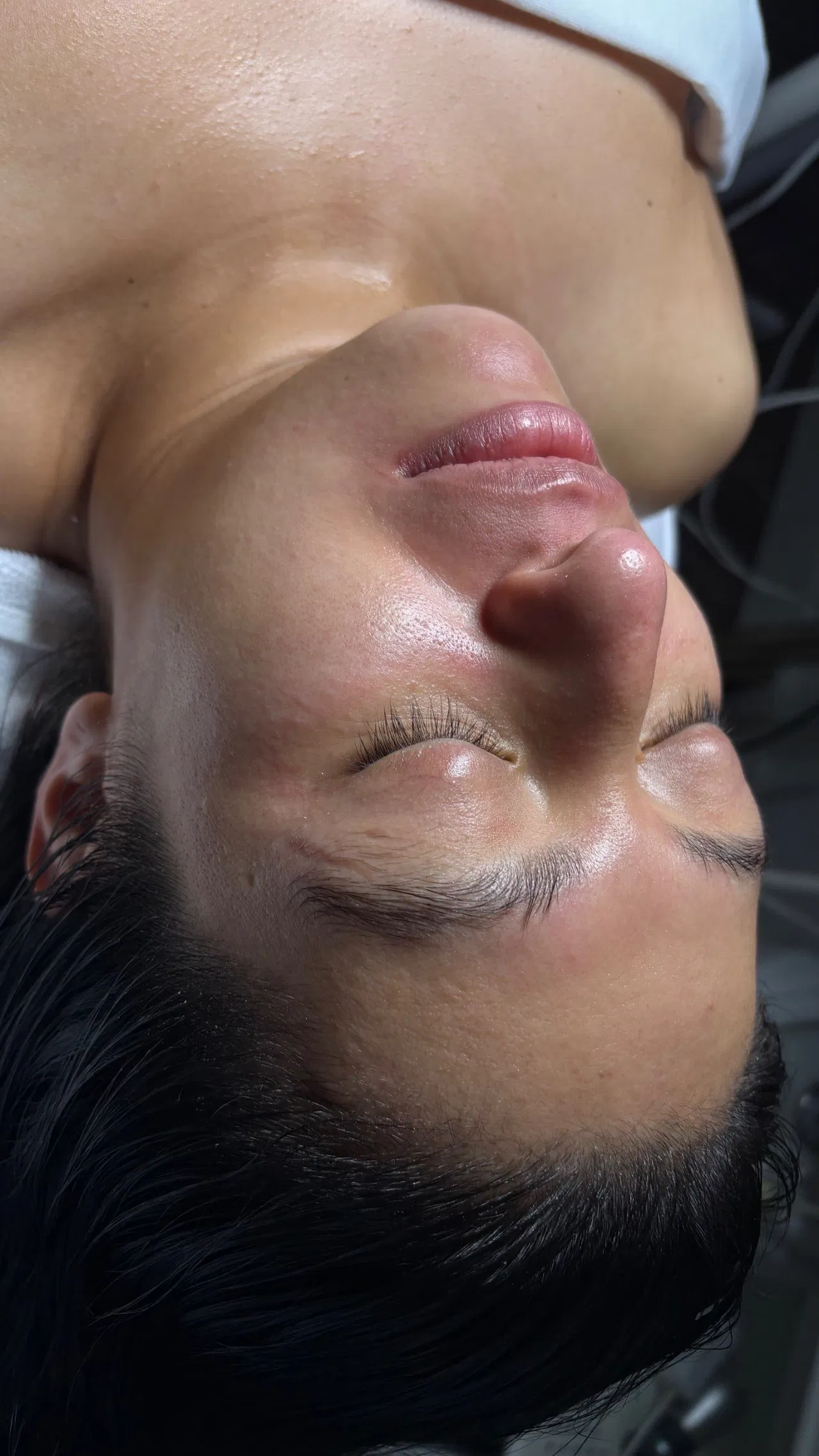
When you glide a cool piece of jade or rose quartz across your skin, it feels undeniably luxurious. But beyond the soothing ritual and the immediate glow, many skincare lovers wonder what facial massage gua sha can actually achieve when it comes to facial sculpting.
Who this is for
Curious skincare enthusiasts and spa-goers looking to understand the realistic benefits of facial massage gua sha for circulation, tension release, and a natural, healthy glow.
What Is Facial Gua Sha and How Does It Work?
Gua sha is an ancient practice rooted in Traditional Chinese Medicine (TCM). Traditionally, it involves using a smooth-edged tool made of stone, bone, or horn to apply light, rhythmic pressure and scraping motions across the skin. While body gua sha is designed to relieve deep muscle stagnation and often leaves temporary, harmless surface marks, facial gua sha is a much gentler art.
When adapted for the face, the pressure is feather-light. The goal is not to bruise or force the tissue, but rather to stimulate the superficial layers of the skin, encourage blood flow, and support the body's natural drainage pathways. It is a slow, intentional ritual that requires patience and a light touch.
The Truth About Sculpting: Can Gua Sha Change Your Bone Structure?
It is important to approach the idea of 'sculpting' with clear, realistic expectations. No skincare tool or massage technique can permanently alter your bone structure or replace cosmetic procedures. However, facial massage gua sha can sculpt in a different, highly beneficial way.
Many of us hold an incredible amount of tension in our faces—particularly in the jaw, temples, and brow. If you clench your teeth at night or carry stress in your jawline, the masseter muscles can become tight and enlarged, creating a wider or squarer appearance to the lower face.
By gently massaging and releasing these tight muscles with a gua sha tool, you help them relax. This can temporarily soften the appearance of a clenched jaw, smooth out expression lines caused by chronic tension, and create a more relaxed, lifted look. It is less about forcing the face into a new shape and more about allowing your face to return to its most relaxed, natural posture.
Lymphatic Drainage: The Real Secret Behind the Glow
Much of the sculpted, contoured look people experience immediately after a gua sha session comes down to lymphatic drainage. The lymphatic system is a network of vessels responsible for clearing waste and excess fluid from our tissues. Unlike the cardiovascular system, which has the heart to pump blood, the lymphatic system relies entirely on muscle movement and external massage to circulate fluid.
When fluid stagnates in the face—often due to lack of sleep, dietary sodium, or simply lying horizontal overnight—we wake up with puffiness around the eyes, cheeks, and jawline.
Facial massage gua sha uses specific directional strokes that guide trapped fluid gently toward the lymph nodes situated near the ears and down the neck. When this excess fluid is cleared away, puffiness diminishes. Cheekbones appear more defined, the jawline looks sharper, and the skin takes on a vibrant, oxygenated glow simply because the tissues are no longer weighed down by fluid retention.
How to Incorporate Gua Sha Into Your Routine Safely
If you want to practice facial massage gua sha at home, technique matters immensely. Rushing through the motions or pressing too hard can tug at delicate facial skin, leading to irritation rather than relaxation. Here are a few foundational guidelines for a safe and effective practice:
- Always use a facial oil: Never drag a dry stone across bare skin. A generous layer of your favorite facial oil or serum provides the necessary slip so the tool glides effortlessly without friction.
- Keep the angle flat: Hold your stone at a nearly flat angle against the face—about a 15-to-45-degree angle—rather than digging the edge directly into the skin.
- Support the skin: Use your free hand to anchor the skin near the center of your face while you glide outward with the other hand.
- Work outward and downward: Move from the center of the face outward toward the hairline, and finish by sweeping down the sides of the neck to encourage lymphatic clearance.
Professional Treatments vs. At-Home Practice
While daily or weekly at-home maintenance is a wonderful way to unwind and maintain your skin's vitality, there is a distinct difference between self-care and professional expertise.
During a professional facial at a spa, an esthetician can assess your skin’s unique needs, use professional-grade oils tailored to your skin type, and apply precise pressure techniques that you simply cannot replicate on yourself. Furthermore, receiving a massage while lying down completely relaxed allows your nervous system to fully decompress, amplifying the stress-relieving benefits that show up as a radiant, healthy complexion.
Key takeaways
Facial massage gua sha does not alter bone structure, but it can temporarily sculpt by relieving chronic facial muscle tension.
The primary reason for the sculpted, contoured look after gua sha is effective lymphatic drainage that reduces morning puffiness.
Always use a quality facial oil and keep the stone at a flat angle to avoid dragging or irritating delicate skin.
Pairing a mindful at-home routine with professional spa treatments yields the most balanced, glowing results.
Can gua sha cause bruising on the face?
Can gua sha cause bruising on the face?
When performed correctly, facial gua sha should never cause bruising. Facial skin is much thinner and more delicate than body skin, requiring a very gentle touch and a supportive layer of facial oil.
How often should I do facial gua sha?
How often should I do facial gua sha?
You can practice facial massage gua sha two to three times a week for 5 to 10 minutes. Consistency matters more than duration, so listen to your skin and avoid over-massaging.
Should I use gua sha on active acne or breakouts?
Should I use gua sha on active acne or breakouts?
It is best to avoid passing a gua sha tool directly over active breakouts, inflamed acne, or broken skin, as this can spread bacteria and cause further irritation. Work around those areas instead.
Can I use gua sha without facial oil?
Can I use gua sha without facial oil?
No. Using a gua sha tool without a lubricant like a facial oil or rich serum creates friction, which can tug at the skin, cause redness, and break capillaries.
Ready to experience the deep relaxation and expert touch of a professional facial massage? Visit us at Orion Aesthetics & Spa in Auburn, GA, or book your customized treatment today to let our skilled estheticians help you discover your skin's most radiant, refreshed state.
The Orion Journal and Orion Aesthetics & Spa provide educational wellness content. This article is not intended as medical advice. Always consult a qualified skincare professional for personalized skin concerns or conditions.
Comentarios (0)